

Durante años, la gente ha buscado el secreto para mantener un aspecto juvenil. Tanto mujeres como hombres invierten en tratamientos que prometen revertir el paso del tiempo, pero uno de los enfoques más eficaces reside en los suplementos alimenticios. Entre todos los nutrientes que pueden contribuir a mantener un aspecto juvenil, el colágeno destaca como la proteína más importante. Pero, ¿qué es exactamente el hidrolizado de colágeno y en qué se diferencia de otras formas de colágeno?
¿Qué es el colágeno y por qué lo necesita tu cuerpo?
El colágeno es una proteína que se produce de forma natural en el cuerpo humano, a menudo denominada la proteína de la juventud. Es uno de los principales componentes del tejido conectivo, que une las células de todo el cuerpo. Esto hace que el colágeno sea esencial para la estructura de los huesos, los dientes, la piel, el cartílago, los tendones, los vasos sanguíneos, e incluso la córnea del ojo.
Lo que hace que el colágeno sea verdaderamente extraordinario es su combinación de elasticidad y resistencia. Forma una capa protectora alrededor de órganos internos como los riñones, el hígado, y el estómago, manteniéndolos en su sitio. El colágeno también desempeña un papel en la defensa inmunológica, ayudando al cuerpo a resistir la intrusión de patógenos y toxinas.
Y lo más importante,, el colágeno es la proteína directamente responsable de mantener una apariencia física juvenil. A lo largo de la vida,, el cuerpo produce y reemplaza continuamente las fibras de colágeno, lo que permite que los tejidos dañados se regeneren. Sin embargo, a partir de los 25-26 años aproximadamente, la producción de colágeno se ralentiza gradualmente. Las células de colágeno comienzan a descomponerse más rápido de lo que se renuevan, lo que conduce a una pérdida de firmeza de la piel, la formación de arrugas, estrías y celulitis. El cabello también se ve afectado: se vuelve más débil, más propenso a romperse y a caerse. En resumen, la disminución de los niveles de colágeno es uno de los mecanismos principales detrás del envejecimiento visible, tanto a nivel externo como interno.
Si te interesa cuidar tu piel, tu cabello, y tus uñas desde dentro, explora la gama completa de suplementos de colágeno disponibles en Medpak.
Hidrolizado de colágeno: ¿qué es exactamente?
El hidrolizado de colágeno es una forma de colágeno producida mediante un proceso químico denominado hidrólisis. Durante este proceso, las moléculas de colágeno —procedentes normalmente del tejido conectivo animal— se descomponen en fragmentos peptídicos más pequeños. El resultado es, en esencia, una forma de gelatina: una fuente de proteínas y aminoácidos con un peso molecular más bajo que facilita su absorción por el organismo.
Desde el punto de vista químico, el hidrolizado de colágeno es una mezcla de fragmentos peptídicos de peso molecular variable. Una ventaja notable de esta forma es su coste de producción relativamente bajo, razón por la cual el colágeno hidrolizado aparece con frecuencia como ingrediente en suplementos dietéticos, productos alimenticios y cosméticos. También cabe destacar que ciertos aminoácidos —como la glicina, la prolina y la hidroxiprolina— se suministran al organismo de la forma más eficaz precisamente a través del hidrolizado de colágeno.
Fuentes naturales de colágeno y hidrolizado de colágeno
Existe la creencia arraigada de que los alimentos que contienen gelatina —como las gelatinas de frutas, el aspico, y el caldo de huesos— son beneficiosos para la salud de las articulaciones. Esto es cierto: la gelatina es esencialmente hidrolizado de colágeno, por lo que cualquier producto alimenticio que contenga gelatina comestible lo aporta. Entre todas las fuentes alimenticias,, el caldo de huesos casero es ampliamente considerado como la mejor fuente natural de gelatina y péptidos de colágeno.
En lo que respecta al colágeno en sí,, los peces se consideran la fuente natural superior. El colágeno marino se asemeja mucho al colágeno humano en su estructura, lo que permite que el cuerpo lo absorba de forma rápida y eficaz. Por eso, los suplementos de colágeno marino —derivados de la piel y las escamas de pescado— suelen ofrecer resultados especialmente notables. Incorporar pescado y productos derivados del pescado a tu dieta puede contribuir de forma natural a tu ingesta de colágeno, además de los suplementos.
Para quienes deseen combinar el apoyo al colágeno con una salud articular y ósea más amplia, nuestros suplementos para huesos, articulaciones y cartílagos ofrecen una gama cuidadosamente seleccionada de productos complementarios.

Doctor's Best
Doctor's Best Colágeno Puro Tipos 1 y 3 en Polvo - 200 g
Precio normal €22.09Precio unitario€110.45 /kg
Now Foods
Now Foods Péptidos de Colágeno en Polvo - 227 g
Precio normal €17.39Precio unitario€76.61 /kg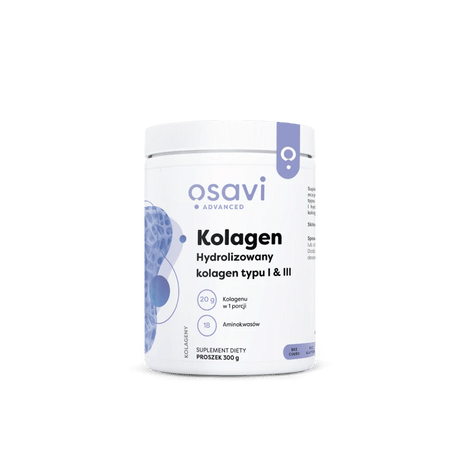
Osavi
Osavi Colágeno Hidrolizado Colágeno Tipo I y III - 300 g
Precio normal €19.59Precio unitario€65.30 /kg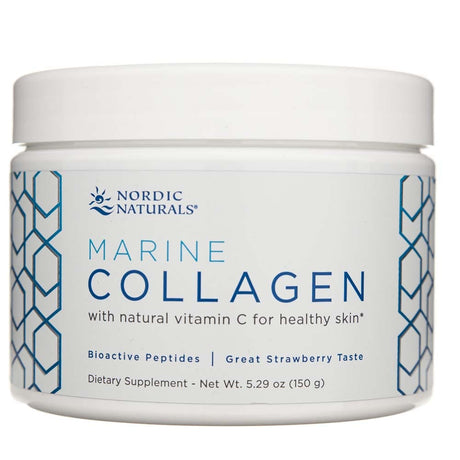

 10 % de descuento
Nordic Naturals
Nordic Naturals Colágeno Marino con Vitamina C St RAW baya - 150 g
Precio de venta €41.03 Precio normal €45.59Precio unitario€273.53 /kg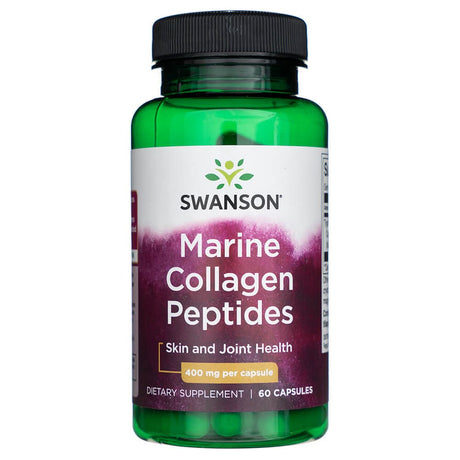


Swanson
Swanson Péptidos de Colágeno Marino Hidrolizado Tipo I 400 mg - 60 Cápsulas
Precio normal €8.09Precio unitario€0.13 cada artículo


Formas disponibles de suplementos de colágeno
Toda y, Los suplementos de colágeno se presentan en varias formas prácticas, cada una adaptada a diferentes preferencias y necesidades:
- Polvo — versátil y fácil de mezclar en bebidas, batidos, o alimentos
- Cápsulas y comprimidos — prácticas para tomar sobre la marcha
- Líquido — fórmulas listas para beber, a menudo con vitaminas añadidas
- Sobres — porciones individuales premedidas para una dosificación precisa
La elección adecuada depende del contenido de colágeno por porción y de tus objetivos personales. Alguien que tome un suplemento por sus beneficios para la piel y la belleza puede tener necesidades de dosificación diferentes a las de un deportista centrado en el cuidado de las articulaciones, o a las de una persona mayor que busca mantener la salud del cartílago.
Cómo utilizar el hidrolizado de colágeno y la gelatina en polvo
Si opta por el hidrolizado de colágeno en forma de polvo, lo más sencillo es mezclarlo en un vaso de agua, zumo, o un batido. A diferencia de la gelatina normal, el colágeno hidrolizado suele disolverse sin formar grumos, incluso en líquidos fríos. Un método tradicional consiste en disolver cuatro cucharaditas de gelatina comestible en un cuarto de vaso de agua fría, dejar que cuaje, y consumir la gelatina resultante con el estómago vacío por la mañana.
Independientemente del método que elijas,, la constancia es el factor más importante. El colágeno no se puede tomar «por adelantado»: el cuerpo necesita un aporte diario regular para mantener sus beneficios. La suplementación diaria es la clave para mantener una piel sana, un cabello fuerte, y unas articulaciones flexibles a lo largo del tiempo.
Consejos para sacar el máximo partido a los suplementos de colágeno
La vitamina C desempeña un papel esencial en la síntesis de colágeno en el organismo. Sin una cantidad adecuada de vitamina C, el cuerpo no puede producir ni utilizar el colágeno de forma eficaz. Combinar tu suplemento de colágeno con una fuente de vitamina C —ya sea a través de la dieta o de un suplemento específico— puede mejorar significativamente los resultados. Puedes encontrar una gran variedad de opciones en nuestra colección para el cabello, la piel y las uñas, muchas de las cuales combinan el colágeno con nutrientes sinérgicos.
Otros consejos prácticos para mantener los niveles de colágeno incluyen proteger la piel de la exposición solar excesiva, evitar fumar, mantener una dieta equilibrada rica en antioxidantes, y mantenerse hidratado. Aunque ningún suplemento puede sustituir por completo a un estilo de vida saludable, el producto de colágeno adecuado, tomado de forma constante, puede ser una parte valiosa de tu rutina diaria de bienestar.
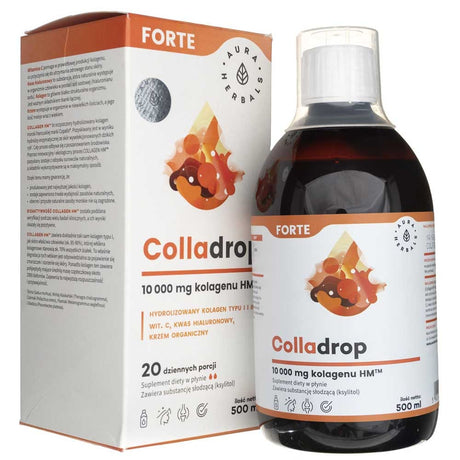


Aura Herbals
Aura Herbals Colladrop Forte Colágeno Marino 10000 mg - 500 ml
Precio normal €27.09Precio unitario€54.18 /L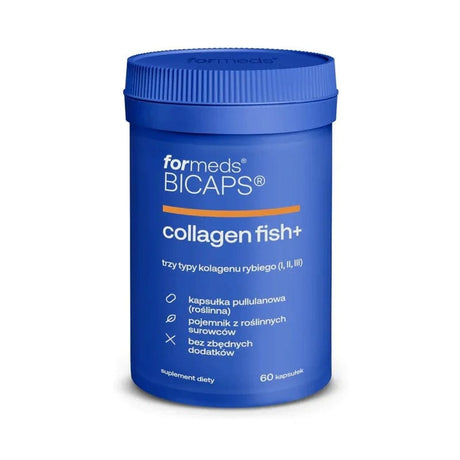
Formeds
Formeds Bicaps Colágeno Pescado+ - 60 Cápsulas
Precio normal €20.29Precio unitario€0.34 cada artículo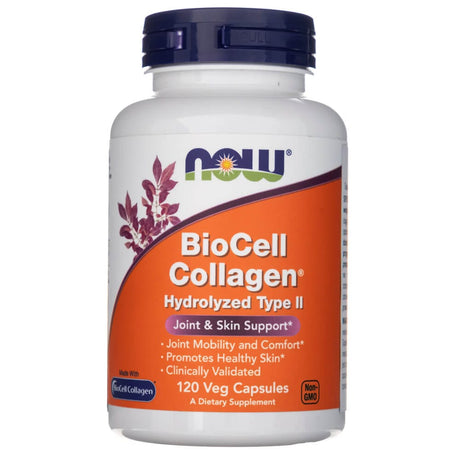
Now Foods
Now Foods Colágeno BioCell ® Hidrolizado Tipo II - 120 Cápsulas Vegetales
Precio normal €38.49Precio unitario€0.32 cada artículo


Jarrow Formulas
Jarrow Formulas Complejo de Colágeno Biodisponible Tipo II - 60 Cápsulas
Precio normal €22.89Precio unitario€0.38 cada artículo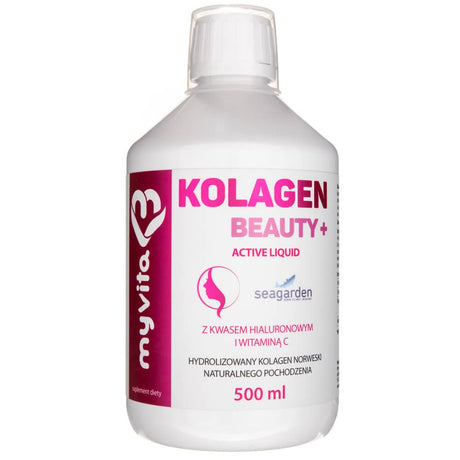


Conclusión clave: El hidrolizado de colágeno es una forma de colágeno accesible y de fácil absorción que puede favorecer la elasticidad de la piel, la salud de las articulaciones y un aspecto juvenil general. La clave para obtener resultados es elegir la forma adecuada a tus necesidades y tomarlo de forma constante todos los días.
Este artículo es solo informativo y no sustituye el consejo médico. Si tienes problemas de salud, estás embarazada, en periodo de lactancia o tomas medicamentos, consulta a un médico o farmacéutico. Los complementos alimenticios no sustituyen una dieta variada.


