

La vitamina B3 es una combinación de dos compuestos: el ácido nicotínico y su forma amida, la nicotinamida (, también conocida como niacinamida). A veces se la denomina «factor antipellagra», por lo que también se la conoce como vitamina PP. A diferencia de otras vitaminas del grupo B, el organismo puede producir pequeñas cantidades de niacina a partir del aminoácido triptófano, pero esta producción interna es demasiado limitada para satisfacer las necesidades diarias. Por eso, las fuentes alimenticias y los suplementos son esenciales.
Fuentes alimenticias de vitamina B3
Afortunadamente, la vitamina B3 se encuentra en una amplia variedad de alimentos cotidianos. Entre las buenas fuentes se incluyen las aves de corral y el cerdo, el hígado, los huevos, la leche, diversos quesos y el pescado. Los cereales integrales, el pan y la levadura también son fuentes valiosas. Además de los productos animales y los cereales, los frutos secos, las verduras frescas, las patatas y las verduras de hoja verde aportan cantidades significativas de niacina. Con tanta variedad disponible, incluir la vitamina B3 en una dieta equilibrada es factible para la mayoría de las personas. Propiedades clave de la niacina: la vitamina B3 es una vitamina hidrosoluble, pero lo que la distingue de muchas otras es su excepcional estabilidad. Es notablemente resistente a las altas temperaturas, a la exposición al oxígeno y a la radiación UV, lo que la convierte en una de las vitaminas más duraderas de todo el grupo B.
En el organismo, la niacina interviene en la síntesis de varias hormonas fundamentales, entre ellas las hormonas sexuales, el cortisol, la tiroxina, y la insulina. Las investigaciones también han confirmado que la vitamina B3 refuerza la función inmunitaria al aumentar el número de neutrófilos —glóbulos blancos con propiedades bactericidas que ayudan al organismo a combatir las infecciones, incluidas las causadas por el Staphylococcus aureus.
Otro beneficio bien documentado es la influencia positiva de la niacina en la salud cardiovascular. Se ha demostrado que ayuda a reducir los niveles de colesterol y puede ralentizar la progresión de los cambios asociados a la aterosclerosis, lo que la hace relevante para la salud cardíaca y circulatoria a largo plazo.
La niacinamida en el cuidado de la piel: por qué es tan popular
La niacinamida se ha convertido en uno de los ingredientes activos más buscados en el cuidado de la piel moderno, y por una buena razón. Su perfil de seguridad, ampliamente investigado, y su notable versatilidad la hacen adecuada para prácticamente todo tipo de piel: sensible, normal, mixta y grasa. Sin embargo, las personas con piel problemática suelen ser las que más se benefician. Barrera cutánea e hidratación Una de las funciones principales de la niacinamida en el cuidado de la piel es estimular la producción de componentes lipídicos en la piel y reforzar las sustancias responsables de la hidratación epidérmica. El resultado es una barrera cutánea visiblemente más fuerte, más resistente al daño externo, mejor hidratada y notablemente más radiante. La piel también se vuelve más firme y elástica con el uso regular.
Antienvejecimiento e iluminador
La niacinamida ha demostrado tener efectos antiarrugas: puede ayudar a suavizar las líneas de expresión y prevenir que se profundicen aún más. Mejora la textura y el tono general de la piel, contrarrestando el amarilleamiento y el engrisamiento que suelen acompañar al proceso de envejecimiento. La niacinamida también es eficaz contra la hiperpigmentación, ya que ayuda a evitar que la melanina migre desde los melanocitos a las células cutáneas circundantes. Este efecto iluminador funciona aún mejor cuando se combina con otros ingredientes específicos.
Reparación, Protección, y tratamiento del acné
La niacinamida favorece los procesos naturales de reparación de la piel tras daños mecánicos o exposición a los rayos UV, lo que la convierte en una excelente compañera del protector solar UNS. También se ha demostrado que ayuda a controlar el acné, tanto los brotes activos como las cicatrices que pueden dejar. Además, la niacinamida puede beneficiar a quienes padecen dermatitis atópica, psoriasis y rosácea. Al reducir la producción de sebo y minimizar el tamaño de los poros, contribuye a una tez más suave y clara.
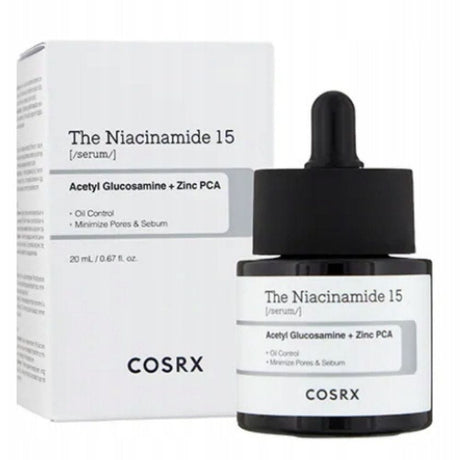
Descubre los productos para el cuidado de la piel a base de niacinamida de las principales marcas de K-Beauty e internacionales en Medpak:


Beauty of Joseon
Beauty of Joseon Serum con Propóleo y Niacinamida Glow - 30 ml
Precio normal €15.79Precio unitario€5.26 /10ml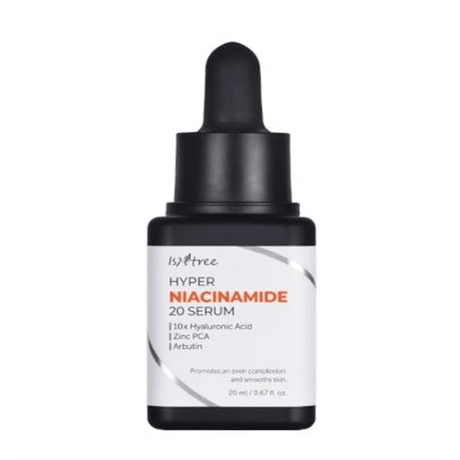 30 % de descuento
Isntree
Isntree Hyper Niacinamide 20 Serum - 20 ml
Precio de venta €10.05 Precio normal €14.39Precio unitario€502.50 /L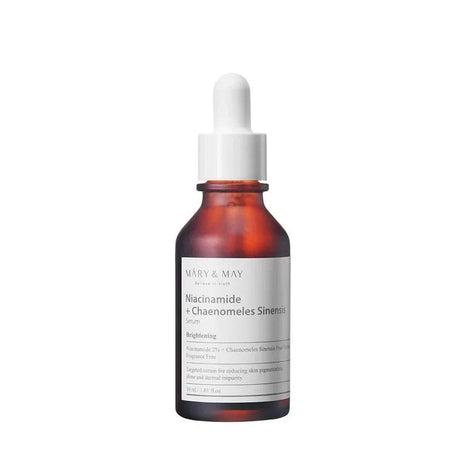 5 % de descuento
Mary&May
Mary&May Serum Niacinamida + Chaenomeles Sinensis - 30 ml
Precio de venta €9.39 Precio normal €9.89Precio unitario€31.30 /100ml


Dosis — ¿Cuánta vitamina B3 necesitas?
Antes de empezar a tomar suplementos de niacinamida, es importante tener en cuenta tus objetivos específicos y consultar a un profesional sanitario que te ayude a elegir el producto y la dosis adecuados.
La ingesta diaria general recomendada para adultos es de 14 a 16 mg de niacina, una cantidad que a menudo se puede obtener mediante una dieta equilibrada. Sin embargo, algunos suplementos contienen concentraciones significativamente más altas, como 500 mg por comprimido. Estas dosis más altas suelen reservarse para fines terapéuticos específicos, como el tratamiento de trastornos lipídicos diagnosticados, y solo deben utilizarse bajo supervisión médica.
A continuación se presenta una selección de suplementos de vitamina B3 disponibles en Medpak para quienes deseen complementar su ingesta de niacina:
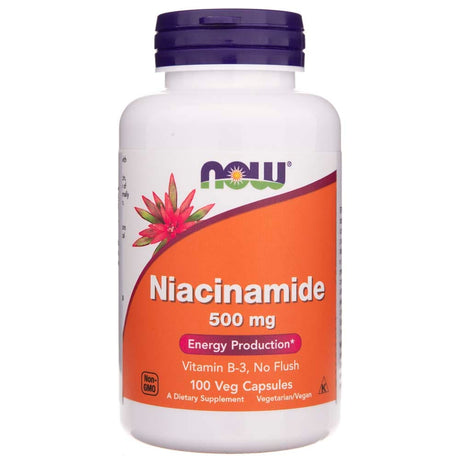


Now Foods
Now Foods Niacinamida 500 mg - 100 Cápsulas Vegetales
Precio normal €9.49Precio unitario€0.09 cada artículo

Life Extension
Life Extension Vitamina B3 Niacina 500 mg - 100 Cápsulas
Precio normal €11.19Precio unitario€0.11 cada artículo
Formeds
Formeds Bicaps Vitamina B3 (Niacina) - 60 Cápsulas
Precio normal €13.79Precio unitario€0.23 cada artículo


Aliness
Aliness Niacina, ácido nicotínico amida 500 mg - 100 Cápsulas Vegetales
Precio normal €9.69Precio unitario€0.10 cada artículo


Efectos secundarios de los suplementos de niacinamida
Cabe señalar desde el principio que incluso una sobredosis significativa de niacina no supone un riesgo para la vida y no causa daños permanentes a la salud. Sin embargo,, una ingesta excesiva puede producir síntomas molestos que es importante conocer:
- Enrojecimiento por niacina — la reacción más común, caracterizada por enrojecimiento, ardor, y hormigueo en la cara, los brazos, y el pecho, causados por una dilatación temporal de los vasos sanguíneos
- Sequedad cutánea y erupciones — pueden producirse con el uso prolongado de dosis altas
- Molestias digestivas — son posibles el dolor de estómago y las náuseas
- Sobrecarga hepática temporal — típicamente asociada a dosis terapéuticas muy altas
- Cambios en los niveles de azúcar en sangre — puede producirse hiperglucemia en personas susceptibles TiB
- Irregularidades en el ritmo cardíaco — se han notificado casos de arritmia en raras ocasiones
¿Quién puede beneficiarse de la vitamina B3
? La niacinamida es un nutriente versátil con aplicaciones tanto en salud como en belleza. Las personas preocupadas por la salud de la piel —ya sea para tratar el acné, la hiperpigmentación, el envejecimiento o la reparación de la barrera cutánea— pueden beneficiarse de los productos tópicos con niacinamida. Aquellos que deseen reforzar la función cardiovascular, la resistencia inmunológica o el equilibrio hormonal pueden encontrar útil la suplementación oral con niacina. Y, dada su función en el metabolismo energético y la función celular general, la vitamina B3 es relevante para prácticamente cualquier persona que desee mantener una ingesta nutricional equilibrada.
Conclusión clave: La vitamina B3 (niacina/niacinamida) es un nutriente notablemente estable y versátil que favorece la salud cardiovascular, la función inmunitaria, y la síntesis hormonal. En el cuidado de la piel, la niacinamida destaca por fortalecer la barrera cutánea, iluminar el tono, reducir el acné y suavizar las líneas de expresión. La ingesta diaria recomendada es de 14-16 mg, y las dosis terapéuticas más altas solo deben utilizarse bajo supervisión médica.
Este artículo es solo informativo y no sustituye el consejo médico. Si tienes problemas de salud, estás embarazada, en periodo de lactancia o tomas medicamentos, consulta a un médico o farmacéutico. Los complementos alimenticios no sustituyen una dieta variada.


