

Llega el otoño, y, con él, el ciclo habitual de resfriados, cielos grises, y temperaturas en picado. Los cambios climáticos suponen un verdadero reto para el sistema inmunitario, y el mejor momento para actuar es antes de que empieces a notar el primer picor de garganta. Descubre qué nutrientes necesita más tu cuerpo en los meses más fríos, y cómo elegir un suplemento que realmente funcione.
Cómo reforzar la inmunidad en otoño
Esperar a que aparezcan los primeros síntomas antes de recurrir a los suplementos es una estrategia fallida: fortalecer la resistencia inmunológica es un proceso continuo, no una respuesta ante una crisis. La constancia es lo que marca la diferencia. Empieza por tu dieta: en otoño, tu cocina siempre debería tener a mano ajo, cebolla, jengibre, cítricos, y cúrcuma. Son fuentes fiables de vitaminas, minerales, antioxidantes y compuestos antimicrobianos naturales. Una leche dorada calentita con cúrcuma, un sencillo jarabe de cebolla o una infusión de jengibre y limón no son cuentos de viejas: son formas prácticas y basadas en la alimentación de reforzar tus defensas cada día.
Sin embargo, la dieta por sí sola, tiene sus límites, especialmente cuando se trata de ciertos nutrientes que simplemente no se encuentran en cantidades suficientes en los alimentos durante el otoño y el invierno.
Por qué la vitamina D merece una atención especial en otoño
De octubre a abril, en la mayor parte del norte y el centro de Europa, hay muy pocas horas de luz solar adecuada para que el cuerpo sintetice por sí mismo cantidades significativas de vitamina D. Las investigaciones relacionan sistemáticamente la deficiencia de vitamina D con una función inmunitaria reducida, fatiga persistente, y debilidad muscular, y una proporción significativa de la población europea se ve afectada sin saberlo.
Antes de empezar a tomar suplementos, vale la pena medir tus niveles con un análisis de sangre de 25 (OH) D. El resultado le ayudará a usted y a su médico a determinar la dosis diaria adecuada, que varía considerablemente de una persona a otra. Explore nuestra gama de suplementos de vitamina D para encontrar una amplia selección de dosis y formulaciones.
Las vitaminas liposolubles: A, D, E y K
Los suplementos de vitamina D suelen combinarse con otras vitaminas liposolubles —A, E, y K— que comparten tanto la necesidad de grasas en la dieta para una absorción adecuada como una serie de funciones complementarias en el organismo:
- La vitamina A contribuye a una visión normal, favorece la diferenciación celular, y ayuda a mantener el buen estado de la piel y las membranas mucosas —laprimera barrera física del organismo contra los patógenos
- La vitamina D favorece el funcionamiento normal del sistema inmunitario, contribuye al mantenimiento de unos huesos sanos, y desempeña un papel en la función muscular
- La vitamina E es un potente antioxidante que ayuda a proteger las células del estrés oxidativo causado por los radicales libres
- La vitamina K contribuye a la coagulación sanguínea normal y ayuda a mantener los huesos sanos, actuando de forma sinérgica con la vitamina D
Las fórmulas combinadas pueden ser una forma cómoda de cubrir varias de estas necesidades a la vez, pero comprender qué hace cada vitamina te ayuda a tomar una decisión más informada.


 20 % de descuento
Aliness
Aliness Vitamina D3 FORTE aceite 100 mcg - 120 Cápsulas
Precio de venta €7.03 Precio normal €8.79Precio unitario€0.06 cada artículo


 15 % de descuento
Solgar
Solgar Vitamina D3 125 mcg (5000 UI) - 100 Cápsulas blandas
Precio de venta €15.71 Precio normal €18.49Precio unitario€0.16 cada artículo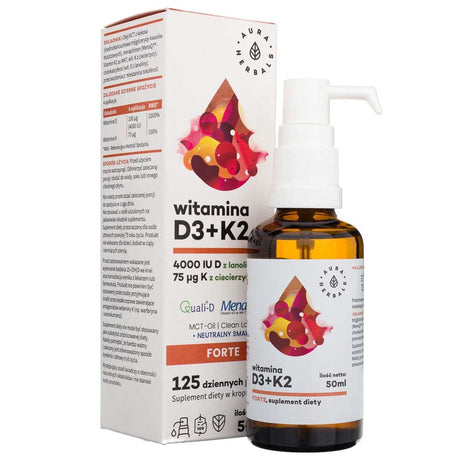


 15 % de descuento
Aura Herbals
Aura Herbals Vitamina D3 4000 UI + K2, MCT, gotas - 50 ml
Precio de venta €12.57 Precio normal €14.79Precio unitario€25.14 /100ml


Aura Herbals
Aura Herbals Vitamina D3 2000 UI + K2 + Zinc + Selenio - 90 Tabletas
Precio normal €9.29Precio unitario€0.10 cada artículo


Swanson
Swanson Vitaminas D3 y K2 - 60 cápsulas vegetales
Precio normal €14.99Precio unitario€0.25 cada artículo


5 consejos para elegir un buen suplemento vitamínico
El mercado de los suplementos es enorme y, francamente,, de calidad desigual. Saber qué buscar en una etiqueta marca una gran diferencia. Aquí tienes cinco criterios prácticos que vale la pena aplicar antes de comprar.
1. Comprueba la lista de ingredientes
Leer las etiquetas es un hábito que da sus frutos rápidamente. Busca productos basados en el principio de la «etiqueta limpia»: composiciones sencillas sin rellenos innecesarios, edulcorantes artificiales, colorantes, aromatizantes o conservantes sintéticos. Cuanto más corta y transparente sea la lista de ingredientes, mejor. Un buen suplemento no necesita esconderse tras una larga lista de aditivos.
2. Lee la tabla de información nutricional. Todos los suplementos deben indicar la cantidad de cada ingrediente activo por ración, junto con el valor de referencia de nutrientes (VRN), expresado en porcentaje, que indica qué parte de tus necesidades diarias cubre una sola ración. Busque productos que aporten una contribución significativa a sus necesidades diarias, no una dosis simbólica añadida con fines de marketing. 3. Dé prioridad a los ingredientes activos de marca
. No todas las formas de los ingredientes son iguales. Las formas de ingredientes de marca —como los minerales quelados, isómeros vitamínicos específicos ((p. ej., MK-7 para la vitamina K2),) o compuestos patentados con biodisponibilidad mejorada— suelen haber sido sometidas a pruebas independientes y cuentan con documentación que acredita su calidad y seguridad. Cuando un fabricante especifica la forma y el origen exactos de su ingrediente activo, esa transparencia es una señal positiva.
4. Busque pruebas realizadas por terceros
Los fabricantes de renombre someten sus productos a pruebas de laboratorio independientes y acreditadas —en las que se comprueba la contaminación microbiológica, los metales pesados y se verifica que las cantidades indicadas de ingredientes activos sean exactas. Esta información no siempre aparece en un lugar destacado del envase, pero vale la pena buscarla en las descripciones del producto o en la página web del fabricante.
5. Elige un formato que se adapte a tu rutina
El suplemento más eficaz es aquel que realmente tomas de forma constante. Cápsulas, comprimidos, gotas, aerosoles, polvos,: cada uno tiene sus ventajas. Las formulaciones líquidas y en gotas pueden ser más fáciles de dosificar con precisión y suelen ser más prácticas para los niños o las personas a las que no les gusta tragar cápsulas. Las gotas a base de aceite, en particular, aportan grasa para mejorar la absorción de las vitaminas liposolubles. Adapta el formato a tus hábitos, no al revés.
Vitamina C y minerales que refuerzan el sistema inmunitario
La vitamina D no es el único nutriente que merece atención en otoño. La vitamina C contribuye al funcionamiento normal del sistema inmunitario y ayuda a proteger las células del estrés oxidativo; y, aunque se encuentra en muchos alimentos, su ingesta suele disminuir durante los meses más fríos, cuando se reduce la variedad de productos frescos. El zinc y el selenio son igualmente importantes: el zinc contribuye al funcionamiento normal del sistema inmunitario y a la protección de las células frente al estrés oxidativo, mientras que el selenio favorece la función tiroidea y las defensas inmunitarias. Juntos, estos nutrientes constituyen una base práctica para reforzar el sistema inmunitario en otoño. Echa un vistazo a nuestra gama completa de suplementos para el sistema inmunitario en https://medpak.shop/collections/immune-system para descubrir una selección cuidada de productos de todas estas categorías.


Now Foods
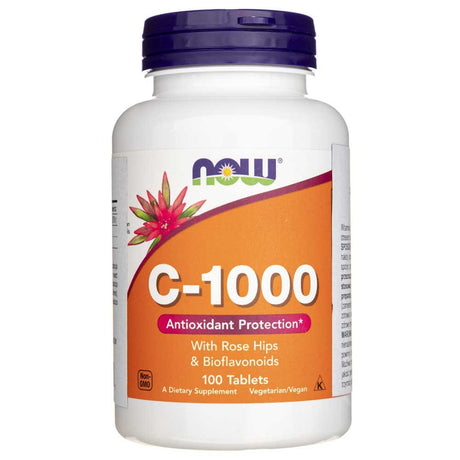
Now Foods Vitamina C-1000 con Escaramujo y Bioflavonoides - 100 Tabletas
Precio normal €9.79Precio unitario€0.10 cada artículo


Swanson
Swanson Vitamina C con Escaramujo 1000 mg - 90 Cápsulas
Precio normal €6.79Precio unitario€0.08 cada artículo


Aliness
Aliness Vitamina C 1000 mg - 100 Cápsulas Vegetales
Precio normal €11.19Precio unitario€0.11 cada artículo


Now Foods
Now Foods Beta-Glucanos con Inmunoestimulante, Extra Fuerte - 60 Cápsulas Vegetales
Precio normal €15.99Precio unitario€0.27 cada artículo


Solgar
Solgar Picolinato de Zinc 22 mg - 100 Tabletas
Precio normal €12.39Precio unitario€0.12 cada artículo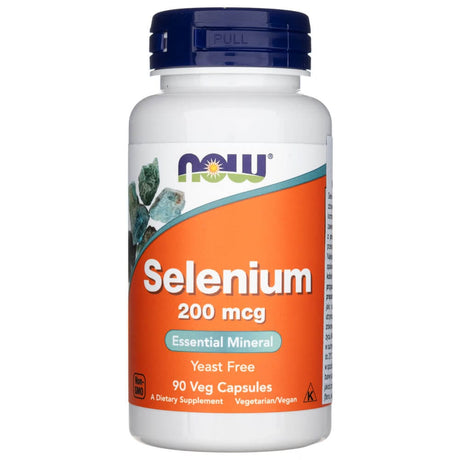


Now Foods
Now Foods Selenio 200 mcg - 90 cápsulas vegetales
Precio normal €6.99Precio unitario€0.08 cada artículo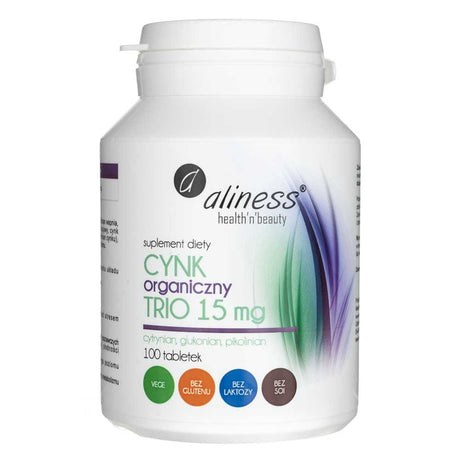


Aliness
Aliness Trío Zinc Orgánico 15 mg - 100 Tabletas
Precio normal €8.99Precio unitario€0.09 cada artículo


El refuerzo de la inmunidad en otoño no requiere un protocolo elaborado. Una dieta rica en alimentos integrales, un sueño regular y una pequeña cantidad de suplementos bien elegidos —especialmente vitamina D, vitamina C, zinc y selenio— pueden reforzar de manera significativa las defensas naturales de tu cuerpo durante los meses más fríos. La clave está en empezar pronto, elegir con cuidado y ser constante. Explora nuestra gama completa de vitaminas y suplementos disponibles con entrega rápida en toda Europa.
Este artículo es solo informativo y no sustituye el consejo médico. Si tienes problemas de salud, estás embarazada, en periodo de lactancia o tomas medicamentos, consulta a un médico o farmacéutico. Los complementos alimenticios no sustituyen una dieta variada.


