

Mantener la casa limpia es importante para todos, pero para los padres de niños pequeños, adquiere una urgencia especial. Los bebés y los niños pequeños exploran el mundo a través del tacto y el gusto, llevándose las manos, los juguetes y las superficies directamente a la boca. Además, carecen de la memoria inmunológica que proporciona a los adultos una resistencia natural frente a muchos patógenos comunes. Mantener unas condiciones verdaderamente higiénicas en los espacios y objetos que rodean a los niños pequeños no es, por lo tanto, una cuestión de perfeccionismo, sino una medida de protección activa. A continuación, ofrecemos una guía práctica para la desinfección eficaz de juguetes, superficies y tejidos en el hogar.
Comprender el riesgo: dónde se acumulan los patógenos
Las bacterias, los virus, y los hongos pueden sobrevivir en las superficies durante minutos, horas, o incluso días, dependiendo del organismo y del material. Las superficies lisas y no porosas —plástico, vidrio, caucho— son relativamente fáciles de limpiar porque los patógenos se quedan en la superficie y no pueden penetrar. Los materiales blandos y porosos —juguetes de tela, ropa, tapicerías— son mucho más propicios, ya que los microorganismos pueden alojarse en las fibras, donde los productos de limpieza no llegan fácilmente.
El riesgo es especialmente elevado en dos situaciones: tras un periodo de enfermedad en el hogar, cuando las superficies y los objetos pueden ser portadores del patógeno causante; y tras una visita al hospital. Los hospitales, a pesar de sus protocolos clínicos, son entornos en los que circulan bacterias resistentes a los antimicrobianos. Cualquier juguete, manta, o artículo personal que acompañe al niño durante la hospitalización debe tratarse como potencialmente contaminado antes de volver al entorno doméstico.
Desinfección de juguetes: método según el material
Los juguetes de plástico duro y goma son los más fáciles de desinfectar. Se pueden lavar con agua tibia y un detergente suave, meter en el lavavajillas en un ciclo estándar, o limpiar con un producto formulado específicamente para superficies en contacto con niños. Los sprays y toallitas a base de alcohol son eficaces, pero deben ir seguidos de un enjuague a fondo: el alcohol residual en un juguete de dentición no es adecuado para un bebé. Después de la desinfección, deja que los juguetes se sequen al aire completamente antes de devolvérselos al niño.
Los juguetes blandos y los peluches requieren un enfoque diferente. El lavado a máquina a la temperatura más alta que tolere el juguete ((consulte la etiqueta)) es el método más eficaz. Si el juguete tiene componentes electrónicos o un compartimento para pilas, no se puede sumergir: limpie el exterior con un paño húmedo empapado en una solución limpiadora diluida apta para bebés, y deje que se seque completamente. Para ambos tipos, la limpieza con vapor ofrece una alternativa sin productos químicos que logra una desinfección eficaz: el vapor de agua a 100 °C destruye la mayoría de los patógenos comunes sin dejar residuos.
Los juguetes electrónicos y que funcionan con pilas se pueden limpiar con un paño humedecido con un spray desinfectante de evaporación rápida, aplicado con cuidado alrededor de (, pero no dentro de) ninguna abertura. Deje que se seque completamente antes de su uso.
Productos de limpieza seguros para juguetes y superficies infantiles
El criterio clave para los productos de limpieza utilizados en el entorno de los bebés es la seguridad en caso de contacto residual, especialmente para cualquier objeto que el niño pueda llevarse a la boca. Los líquidos de limpieza específicos para bebés, formulados sin productos químicos agresivos, proporcionan una higiene eficaz sin el riesgo asociado a los desinfectantes convencionales. Estos productos están diseñados específicamente para objetos y superficies que entran en contacto directo con los bebés:


Ecover
Ecover Limpiador de Superficies Hierba Limón y Naranja - 500 ml
Precio normal €5.89Precio unitario€11.78 /L


Desinfección de superficies domésticas
En hogares con niños pequeños, las superficies más importantes no son necesariamente las más obvias. Los pomos de las puertas, los interruptores de la luz, los bordes de las mesas y sillas, y, sobre todo, el suelo están en contacto habitual con los niños, que luego se tocan la boca. La limpieza estándar elimina la suciedad visible, pero no elimina de forma fiable los patógenos. La desinfección requiere calor suficiente o un agente químico adecuado.
La desinfección térmica utiliza vapor a 100 °C para destruir microorganismos sin productos químicos. Las mopas de vapor y los limpiadores de vapor portátiles son eficaces en suelos duros, baldosas, y algunos tapizados. La limitación es que no todas las superficies toleran el calor: los acabados delicados, ciertos adhesivos, y algunos tipos de suelo pueden resultar dañados. Compruebe la compatibilidad de la superficie antes de utilizar vapor.
La desinfección química se basa en productos que contienen alcohol de alta concentración, normalmente etanol o isopropanol al 70 % o más, u otros agentes antimicrobianos. Para entornos infantiles, las formulaciones de origen vegetal que evitan los biocidas sintéticos agresivos son una opción práctica. El aceite esencial de árbol de té tiene una actividad antimicrobiana documentada y es un aditivo natural de uso común en soluciones de limpieza de superficies. Se puede añadir en pequeñas cantidades a mezclas de limpieza caseras o utilizarse en un difusor para reducir la carga bacteriana en el aire:


Bilovit
Bilovit Aceite Esencial del Árbol del Té - 10 ml
Precio normal €1.99Precio unitario€1.99 /10ml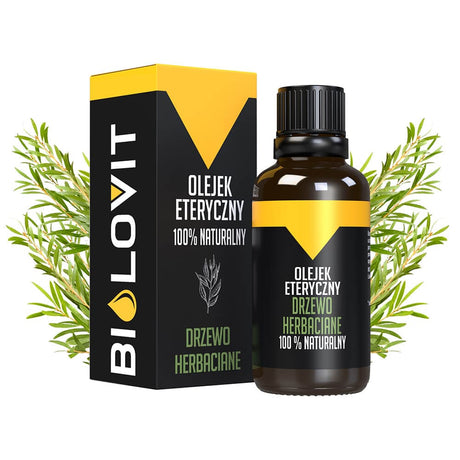


Bilovit
Bilovit Aceite Esencial del Árbol del Té - 30 ml
Precio normal €5.19Precio unitario€5.19 /10ml


Desinfección de ropa, toallas, y ropa de cama
. Los tejidos se encuentran entre los artículos más difíciles de desinfectar, ya que las temperaturas de lavado estándar suelen ser insuficientes para eliminar de forma fiable los patógenos. Las toallas y la ropa de cama utilizadas durante una enfermedad deben lavarse a una temperatura mínima de 90 °C; la ropa, a una temperatura mínima de 60 °C. Por debajo de estas temperaturas, algunas bacterias y virus sobreviven al ciclo de lavado y permanecen activos en el tejido.
La elección del producto de lavandería también es importante. Un detergente estándar limpia; una fórmula con oxígeno activo o agentes bactericidas desinfecta. En el caso concreto de la ropa infantil —donde la sensibilidad de la piel es una preocupación real—, busque fórmulas específicas para bebés que combinen una limpieza eficaz con ingredientes hipoalergénicos y sin fragancias. Los productos de lavandería hipoalergénicos diseñados para bebés logran una limpieza profunda sin fragancias sintéticas ni blanqueadores ópticos que puedan irritar la piel de los más pequeños:
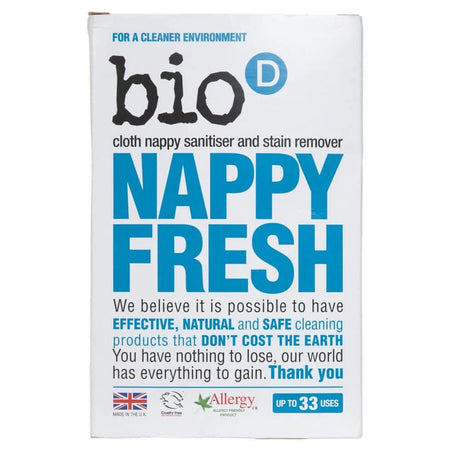

Bio-D
Bio-D Nappy Fresh Aditivo Antibacteriano en Polvo para el Lavado de Pañales - 500 g
Precio normal €7.39Precio unitario€14.78 /kg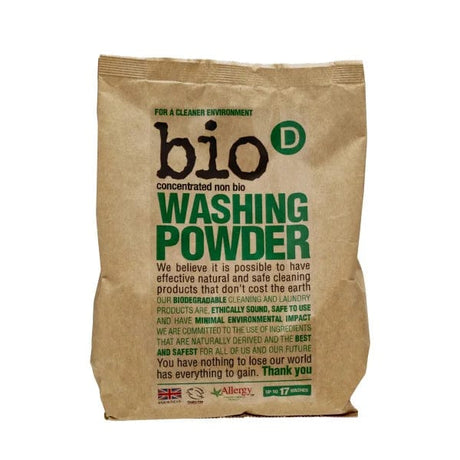
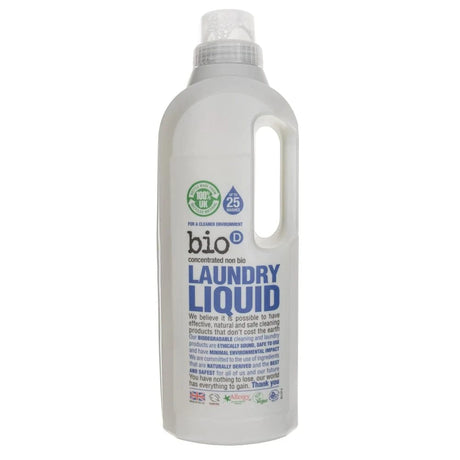

Bio-D
Bio-D Detergente Líquido Sin Fragancia No Bio - 1 L
Precio normal €11.79Precio unitario€11.79 /L


Rutina práctica de desinfección para familias con niños pequeños
En lugar de una limpieza reactiva intensiva después de cada enfermedad, una rutina ligera pero constante reduce drásticamente la carga microbiana en el hogar en todo momento. Limpie a diario las superficies que se tocan con frecuencia —(— pomos —,— interruptores —,— y bordes de las mesas —)— con un limpiador de superficies apto para bebés. Lave semanalmente los juguetes de dentición y los objetos que entran en contacto con la boca. Lave semanalmente las toallas y la ropa de cama a temperaturas adecuadas. Después de cualquier enfermedad —ya sea de un niño o de un adulto—, aumente la frecuencia inmediatamente: lave toda la ropa de cama utilizada, desinfecte las superficies y los juguetes que el niño haya utilizado durante la enfermedad, y lave la ropa sin demora. Descubra la gama completa de productos de limpieza seguros para la familia en nuestras colecciones Higiene infantil y Cuidado del hogar y limpieza.
Este artículo es solo informativo y no sustituye el consejo médico. Si tienes problemas de salud, estás embarazada, en periodo de lactancia o tomas medicamentos, consulta a un médico o farmacéutico. Los complementos alimenticios no sustituyen una dieta variada.


