

Un cabello bien cuidado es uno de los aspectos más visibles de nuestra imagen ante el mundo. Un corte y un estado adecuados pueden realmente restarnos años, mientras que un cabello seco, quebradizo o con poco volumen puede tener el efecto contrario. Tanto si tu cabello ha estado pasando por dificultades últimamente —con falta de brillo, roturas, caída excesiva o crecimiento lento— como si simplemente quieres mantener lo que tienes, un enfoque coherente e informado del cuidado del cabello marca una diferencia notable.
Empieza por lo básico: la limpieza del cuero cabelludo y el cabello
La frecuencia con la que te laves el cabello debe depender de tu tipo de cabello y de la cantidad de productos de peinado que utilices, no de la costumbre o la convención. Si tu cabello es naturalmente graso, o si aplicas regularmente geles, espumas, y lacas, el lavado diario puede ser realmente necesario para mantener limpios tanto el cabello como el cuero cabelludo. Para la mayoría de las personas, basta con lavarse el cabello cada dos o tres días. El lavado excesivo despoja al cuero cabelludo de sus aceites naturales y puede desencadenar una sobreproducción compensatoria de sebo, lo que solo empeora el problema.
La elección del champú es más importante de lo que la mayoría de la gente cree. Evita las fórmulas que contengan parabenos y siliconas si tu objetivo es la salud capilar a largo plazo. Las siliconas recubren el tallo capilar para crear una impresión temporal de suavidad y brillo, pero no nutren el cabello y pueden acumularse con el tiempo, apelmazándolo y bloqueando la absorción de ingredientes realmente beneficiosos. Un champú elaborado con activos naturales —extractos de plantas, aminoácidos y ingredientes botánicos acondicionadores— trata el cabello desde dentro hacia fuera en lugar de enmascarar su estado.
Elige siempre un champú adecuado para tu tipo de cabello. Una fórmula rica y nutritiva que funciona bien para el cabello seco y grueso puede dejar el cabello fino o graso sin volumen en cuestión de horas. El estado del cuero cabelludo también importa: si tienes caspa, exceso de grasa o sensibilidad en el cuero cabelludo, una fórmula específica siempre dará mejores resultados que un producto de uso general. Explora nuestra gama de productos capilares https://medpak.shop/collections/hair-cosmetics para encontrar opciones adaptadas a los diferentes tipos de cabello y necesidades del cuero cabelludo.


Urtekram
Urtekram Champú para cabellos normales Rosa - 250 ml
Precio normal €9.39Precio unitario€37.56 /L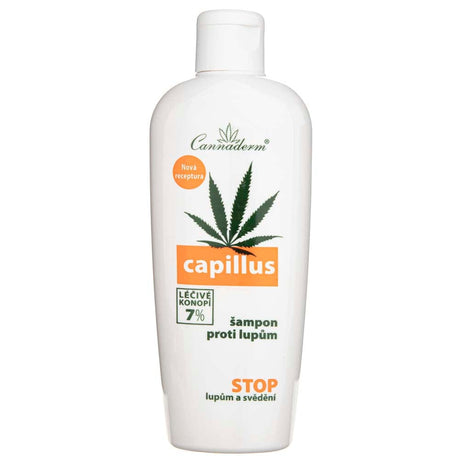


Cannaderm
Cannaderm Capillus Champú Anticaspa - 150 ml
Precio normal €11.99Precio unitario€7.99 /100ml


Acondicionamiento y mascarillas: nutrición que el cabello absorbe realmente
La limpieza elimina; el acondicionamiento restaura. Después del champú, la cutícula capilar está abierta y receptiva, lo que lo convierte en el momento ideal para aplicar un acondicionador o una mascarilla de tratamiento. Los acondicionadores estándar, aplicados durante unos minutos después del lavado, aportan suavidad y reducen la fricción, lo que facilita el desenredado del cabello y lo hace menos propenso a la rotura mecánica durante el cepillado. Aplícalo desde la mitad del cabello hasta las puntas, evitando el cuero cabelludo si tu cabello tiende a ser graso.
Para un tratamiento más profundo, una mascarilla en compresa aplicada sobre el cabello húmedo antes del champú ofrece una ventaja clara: el lavado posterior elimina el exceso, por lo que incluso las fórmulas más densas y pesadas, no dejarán el cabello fino con sensación de apelmazamiento. Este método es especialmente adecuado para el cabello muy seco, dañado o tratado químicamente. Aplica la mascarilla sobre el cabello húmedo y tibio, déjala actuar durante 20-30 minutos bajo una toalla o un gorro de ducha y, a continuación, lávate el cabello con champú como de costumbre. Dos veces por semana es una frecuencia razonable; una vez a la semana es un buen punto de partida para el cabello menos dañado.
Aceites y sérums: reparación y protección específicas
Los aceites naturales se han utilizado en el cuidado del cabello en todas las culturas durante siglos, y la ciencia respalda su uso: los aceites vegetales ricos en ácidos grasos —argán, marula, jojoba, maracuyá— penetran en el tallo capilar y ayudan a reducir la pérdida de proteínas durante el lavado y el peinado con calor. También alisan la cutícula, lo que mejora directamente el brillo y reduce el encrespamiento. Aplica una pequeña cantidad sobre el cabello húmedo o seco, concentrándote en los medios y las puntas, donde se acumula más el daño. Los sérums capilares específicos ofrecen beneficios similares en una forma más concentrada y, a menudo, más ligera, muy adecuada para el cabello fino, que se vería apelmazado por aceites más pesados. Un sérum de calidad resulta especialmente útil para las puntas abiertas, la rotura excesiva o el cabello que ha perdido elasticidad debido al daño por calor, los tratamientos químicos o el estrés estacional. Para peinados protectores y con calor, aplica un sérum antes de cualquier contacto con herramientas térmicas para reducir el daño directo a la cutícula. Explora nuestra selección de https://medpak.shop/collections/hair-oils-serums-sprays, aceites capilares, sérums y sprays para encontrar opciones que se adapten a diferentes problemas capilares.
Coloración y peinado: Minimizar el daño
Los tintes permanentes y el peinado habitual con calor se encuentran entre las cosas más dañinas que hacemos habitualmente al cabello, pero eso no significa que debas evitarlos por completo. Significa ser más selectivo a la hora de aplicarlos. A la hora de elegir un tinte para el cabello, busca fórmulas sin amoniaco — o considera la henna, un colorante botánico que deposita pigmento sin penetrar ni hinchar la corteza de la misma manera que los tintes convencionales. La gama de colores es más limitada, pero el impacto en la integridad del cabello es considerablemente menor. En cuanto a las herramientas de peinado —secadores, planchas y rizadores—, los aparatos de calidad con ajustes de temperatura regulables marcan una diferencia real. Las placas de cerámica y turmalina distribuyen el calor de forma más uniforme y a temperaturas más bajas que las alternativas más baratas. Aplica siempre un sérum o spray protector del calor antes del contacto directo con la herramienta, y, siempre que sea posible, deja que el cabello se seque al aire hasta al menos un 70-80 % antes de terminar con el secador.
Cuidar el cabello desde dentro: nutrición y suplementos
Los productos tópicos mejoran el estado del cabello que ya tienes. Pero el crecimiento del cabello y la calidad del nuevo crecimiento vienen determinados en gran medida por lo que ocurre a nivel interno: la nutrición, el equilibrio hormonal y los niveles de micronutrientes. La biotina ((vitamina B7)) es el nutriente más reconocido para el mantenimiento del cabello y las uñas; contribuye al metabolismo normal de los macronutrientes y desempeña un papel en el mantenimiento del cabello normal. La deficiencia, incluso la deficiencia marginal, se asocia con cambios notables en la calidad del cabello y la tasa de crecimiento. El zinc, el hierro, el selenio y la vitamina D también se relacionan con frecuencia con la caída del cabello cuando sus niveles caen por debajo de lo óptimo. Si estás experimentando una mayor caída del cabello de lo habitual, vale la pena consultar con tu médico la posibilidad de realizar análisis de micronutrientes antes de tomar suplementos de forma generalizada; una corrección específica es más eficaz que la suplementación general. -biotina-5000-mcg-50-cápsulas-vegetales, Aliness -biotina-2500-mcg-qualibiotiн-120-comprimidos, vitalers-silibiotina-cabello-piel-uñas-180-comprimidos]
Descubra nuestra gama completa de suplementos para el cabello, la piel y las uñas en Medpak — todos Hipp enviados desde la UE con entrega rápida en toda Europa.
Este artículo es solo informativo y no sustituye el consejo médico. Si tienes problemas de salud, estás embarazada, en periodo de lactancia o tomas medicamentos, consulta a un médico o farmacéutico. Los complementos alimenticios no sustituyen una dieta variada.


